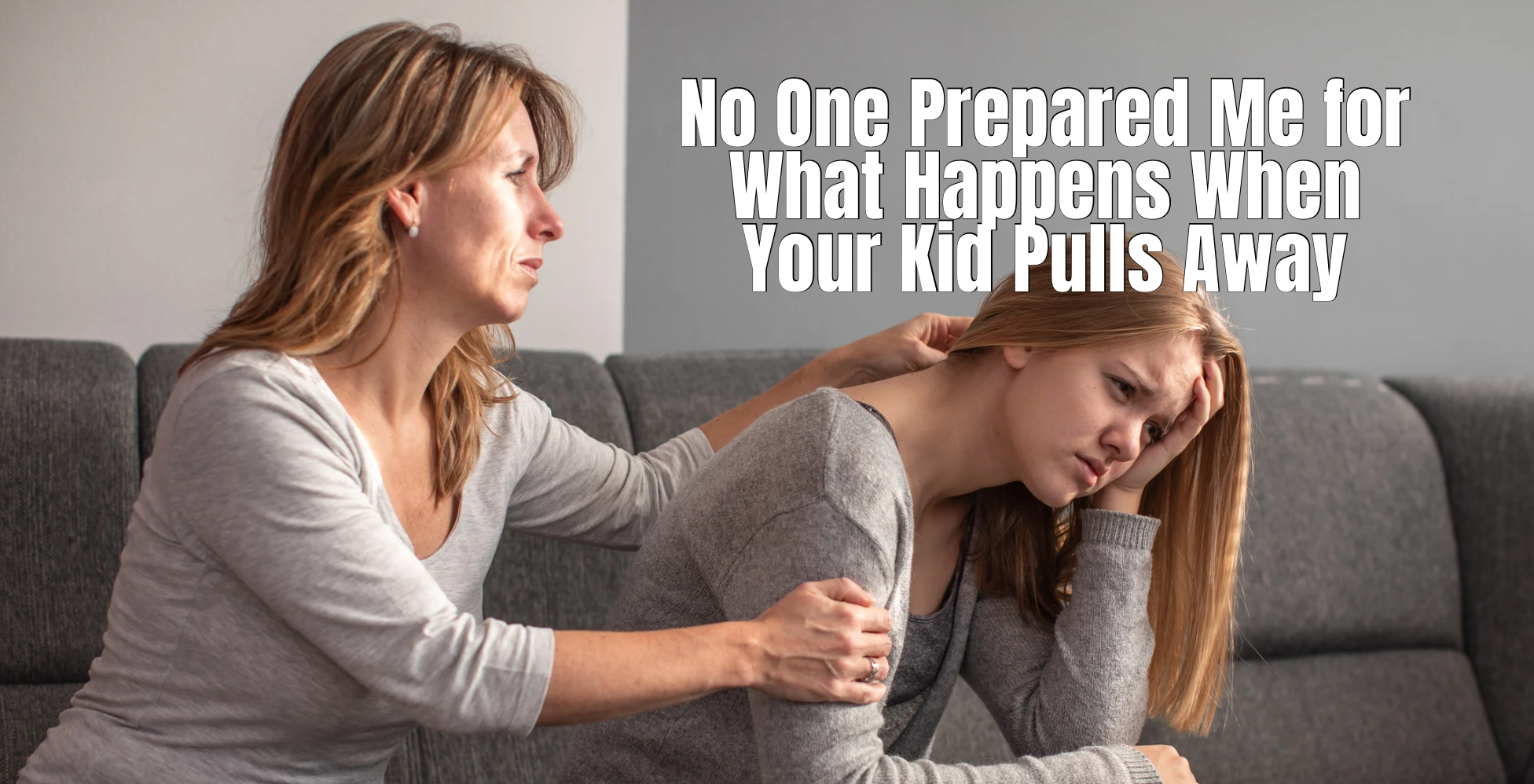
I didn’t expect a report card to feel so… personal.
But there I was, staring at a grade that didn’t match the kid I know my child is. My first instinct? Panic. Then frustration. Then the urge to launch into a full “we need to fix this right now” speech.
If you’ve been there, you already know — this stage is hard in a way that’s hard to explain. Because it’s not just about grades. It’s about motivation, confidence, independence… and sometimes, a kid who suddenly shuts you out when you’re trying to help.
Here’s what I’ve learned (sometimes the hard way): how we respond in that moment matters more than the grade itself.
Because if we lose the connection, we lose our influence. And without influence? We can’t actually help them solve anything.
The Moment That Matters Most (and Where We Usually Mess It Up)
When your child shows you a bad grade — or you find out yourself — that moment is loaded. They’re already feeling something:
- Embarrassed
- Disappointed
- Defensive
- Or pretending they don’t care at all
And if we come in hot with “Why didn’t you study?” or “This is unacceptable” — what they actually hear is: “I’m disappointed in you.”
So what do they do? They shut down. They deflect. They pull away. Now we’re not solving the problem — we’re managing the fallout.
What I Say Instead (This Changes Everything)
I had to learn to pause my reaction and lead with connection first. Now, when I see a grade that’s… not great, I start here:
“Hey, I saw your grade. Want to tell me what happened?”
That’s it. No tone. No lecture. Just an open door.
If they shrug or say “I don’t know,” I don’t push harder. I soften:
“It’s okay if you don’t feel like talking yet. I’m here when you’re ready.”
This does two things: it lowers their defenses, and it keeps the door open. And that door staying open? That’s everything.
Why Connection Comes Before Correction
I get it — it feels backwards. We see a problem, we want to fix it immediately. But with tweens and teens, correction without connection almost always backfires.
When they feel judged, they protect themselves. When they feel safe, they open up. And when they open up? That’s when you actually get the real information:
- “I didn’t understand the lesson.”
- “I forgot to turn in the assignment.”
- “I’m overwhelmed and didn’t know where to start.”
- “I bombed the test and felt stupid.”
Now we’re not guessing — we’re solving the real problem.
The Shift That Helped Me Stop Overreacting
I started reminding myself of this: My job isn’t to control the outcome. It’s to stay connected through it.
When the relationship is strong, your child is way more likely to ask for help, accept guidance, and be honest about what’s really going on. Which, ironically, leads to better outcomes anyway.
When They Finally Open Up (Don’t Miss This Part)
Let’s say they do start talking. This is where it’s really tempting to jump in and fix everything. But instead of going straight to solutions, slow it down first.
- “Here’s what you need to do…”
- “You should have studied more.”
- “This is how we’re going to handle it.”
- “That sounds really frustrating.”
- “I can see why that felt overwhelming.”
- “I’m glad you told me.”
Validation doesn’t mean you’re agreeing with the behavior — it means you’re acknowledging their experience. And that keeps them talking.
Once they feel understood, then gently shift:
“Do you want help figuring out a plan, or do you want to try first and I’ll back you up?”
Now you’re giving them both ownership and support. That balance? It’s gold in this stage.
Turning the Problem Into a Plan (Without Taking Over)
When they’re ready, problem-solve together. Not for them — with them. I might ask:
- “What do you think made this class hard?”
- “What’s one small thing that could help next time?”
- “Do you need help talking to your teacher?”
Then keep it simple. Not a full life overhaul. Just one or two steps — email the teacher, set a reminder for assignments, break studying into smaller chunks. When the plan feels doable, they’re more likely to follow through.
The Part No One Talks About: Your Reaction Becomes Their Inner Voice
This one hit me hard.
The way we respond in these moments becomes the voice in their head later. If they hear “You’re lazy” or “You’re not trying” — that sticks. But if they hear “You can figure this out” and “I’m here to help you through it” — that sticks too.
And that second voice? That’s the one that helps them keep going when things get hard.
We don’t always get it right. I’ve had moments where I snapped first and connected later. What matters is that we repair.
Go back and say: “Hey, I think I came in a little strong earlier. I’m sorry. I care more about you than the grade. Can we try that conversation again?”
Every time I do this, it rebuilds trust faster than pretending I was right all along.
The Bigger Picture We Can’t Lose Sight Of
We’re not just raising kids who get good grades. We’re raising kids who know how to handle setbacks, feel safe coming to us, and believe they’re capable of figuring things out.
And that doesn’t come from pressure. It comes from connection.
You Don’t Have to Figure This Out Alone
Join the Mommy With A Goal community — weekly conversation scripts, honest parenting reframes, and a judgment-free space for moms in the tween and teen years.
Subscribe — It’s Free →