
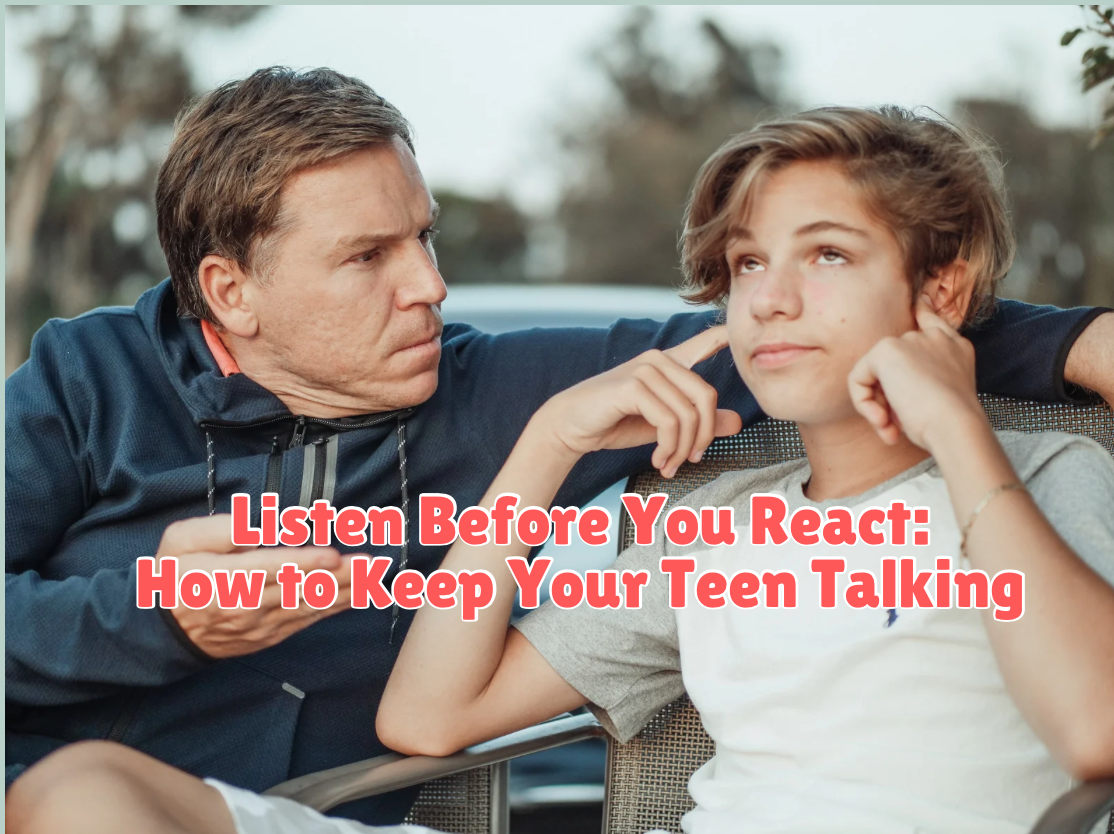
Your daughter walks in the door and starts telling you about something that happened at school. She’s barely three sentences in when you feel it: that familiar pull to jump in. Before she’s even finished, you’re saying, “Well, what you should have done is…”
Or maybe you go the other direction. “That reminds me of when I was your age,” you say, and off you go into your own story, while hers quietly trails off.
I’m raising my hand on both. I’m not writing this as an expert. I’m a mom of girls who has caught herself wanting to help so fast that I forget to let them finish. And I’m slowly learning that the helping isn’t always the helpful part.
Why We Jump In So Fast
When our kids hurt, we feel it too. When they make a mistake, our first instinct is to save them from the next one. As moms, we want to protect them from disappointment, embarrassment, and unnecessary heartache, so the second a problem lands in front of us, our brains go straight into solution mode.
It comes from a good place. It really does. But good intentions don’t always land the way we mean them to, especially with a tween or teen who is already working hard to figure out who she is.
What It Can Feel Like on Her End
Here’s the part that’s hard to hear: when we jump straight to advice, our kids don’t always hear help. Sometimes they hear something else entirely.
Advice that arrives before she’s finished can sound like correction. She came to share something, and it started to feel like she was being graded.
If we skip past the feelings to get to the fix, she may decide her feelings weren’t the point, and that the story wasn’t worth finishing.
This is the one that worries me most. A kid who feels corrected every time she opens up will eventually stop opening up. And I want my girls to keep coming to me.
One Simple Question That Changes the Conversation
Here’s what I’m trying: I pause, take a breath, and ask one question before I say anything else.
“Do you want my advice, or do you just want me to listen?”
It’s such a small question, but it can shift the whole conversation. It tells her you’re on her side, and it lets her decide what kind of support she needs.
Sometimes the answer is “just listen.” Sometimes it’s “okay, yes, what do I do?” Either way, she feels heard first, and advice lands so much better when it comes after she feels understood, not instead of it.
Let Her Finish, Even the Messy Parts
Her story may wander. It might not make complete sense. She might take a long, dramatic route to the point. Try to let it unfold anyway. The wandering is often where the real stuff is hiding.
Respond to the Feeling Before the Facts
When she’s done, you don’t need a perfect response. A few simple phrases do more than you’d think:
- That sounds really frustrating.
- Tell me more about that.
- How did that feel for you?
- I’m glad you told me.
You will. I do. Some days I pause beautifully, and other days I’m halfway through a lecture before I realize what I’m doing.
When that happens, it’s okay to stop and say, “Sorry, I jumped in. Tell me more.” That tiny do-over shows her that listening matters to you, and it’s a good thing for her to see you practice.
Leave the Door Open for the Harder Stuff
Not every conversation starts with her coming to find you. Sometimes the things that are weighing on her are the things she hasn’t brought up at all. When the moment feels calm, like in the car, while you’re cooking, or at bedtime, you can gently open the door.
“What’s something that’s been bothering you lately that you haven’t really talked about?”
Then comes the hard part: stay quiet and let her answer. Even if she shrugs, says “nothing,” or changes the subject, she now knows the door is open, and that counts for more than you’d think.
You Don’t Have to Fix Everything
This is the part I keep reminding myself of. You don’t have to solve every problem she brings you. You don’t have to have the perfect answer or the perfect story from your own childhood. Sometimes listening without interrupting is already a meaningful place to start.
I’m still learning this right alongside you. But I’m seeing that when my girls feel heard, they tend to keep talking. And keeping them talking is the whole point.
Start a Real Conversation With Her Tonight
If you want to get past the one-word answers and actually hear what’s going on in her world, the right question makes all the difference. Grab my free guide — 5 Conversation Starters That Actually Work With Your Tween or Teen — and use one tonight.
Send Me the Free Conversation Starters →


