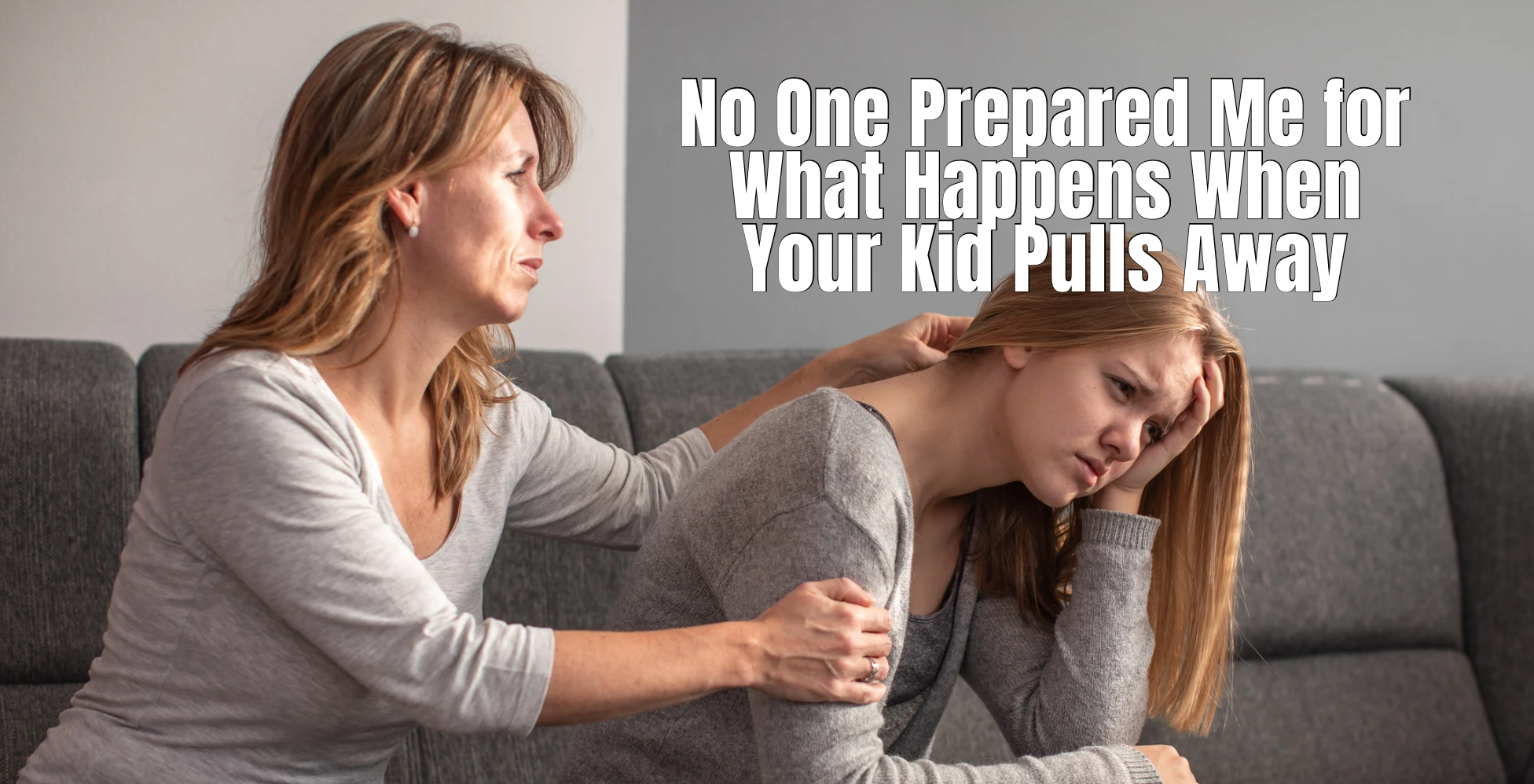
Every August, right before the first day of school, I find myself thinking about friendships — specifically the ones that quietly shifted without drama, without a fight, without any real explanation at all.
New school year. New classes. Sometimes new friend groups rearranging themselves in ways nobody planned. And the kids in the middle of it — my kids — trying to figure out what it means when someone they used to be close to is suddenly just… not as close anymore.
The reminder I keep coming back to, the one I wish someone had told me at their age, is this:
What Tweens Usually Think When a Friendship Fades
Tweens tend to internalize the quiet kind of drifting as personal failure. “Why don’t we hang out anymore” turns into “what did I do wrong” almost immediately. They replay conversations, scroll back through old messages, look for the moment things changed.
Most of the time, that moment doesn’t exist. People just grow — and sometimes they grow in different directions instead of the same one. It’s not a verdict on anyone. It’s just what happens when two people are both becoming someone new at the same time.
But that’s a hard thing to believe when you’re twelve and the friend group you thought was solid has quietly rearranged around you over the summer.
What I Actually Want My Kids to Know
Some friendships are seasonal — they were exactly what you needed at that time, and that’s enough. It doesn’t erase what it gave you. The laughs, the inside jokes, the person you were with them — that was real, even if the closeness didn’t last forever.
Sometimes you’re the one who has changed. Your interests shifted, your values sharpened, who you want to spend time with evolved. That’s not disloyalty — that’s development. Growing up means growing into a more specific version of yourself, and not every friendship grows with you.
This is the conversation worth having carefully. The quiet fade of two people growing in different directions is one thing. Being excluded, mistreated, or slowly pushed out of a group is another. Both can feel the same from the inside — but they’re not. Help your tween learn to tell the difference.
How to Have This Conversation Before School Starts
You don’t need a formal sit-down. Some of the best conversations about friendship happen in the car on the way to get school supplies, or at dinner the night before the first day. What matters is that you open the door before they need it, not after.
“Hey, I’ve been thinking about friendships and how they change as you get older. Can I share something I wish someone had told me when I was your age?”
Then tell them. The version that’s true for you — the friendship you grew out of, the one that faded without drama, the guilt you carried longer than you needed to. Your story makes the permission real.
What You’re Really Giving Them
When you tell your tween that drifting friendships are a normal part of growing up — not a punishment, not a failure — you’re giving them something most kids don’t get: permission to let go without guilt. Permission to grow without apologizing for it. Permission to start a new school year without the weight of friendships they’ve already outgrown.
If your tween is navigating shifting friendships this school year, revisit this conversation more than once. It usually takes a few passes for it to really land. And if you know a parent whose kid is in the middle of this kind of friend group shift — share this with them. They need the reminder too.
Here’s to a new school year, and whatever new or renewed friendships come with it. And here’s to raising kids who know that growing is always worth it — even when it means growing apart.
Help Your Tween Open Up About What’s Really Going On
Friend group changes hit differently when your kid doesn’t have the words yet. Start the conversation with the right question. Grab 5 Conversation Starters That Actually Work With Your Tween or Teen — free — and use one this week.
Send Me the Free Conversation Starters →