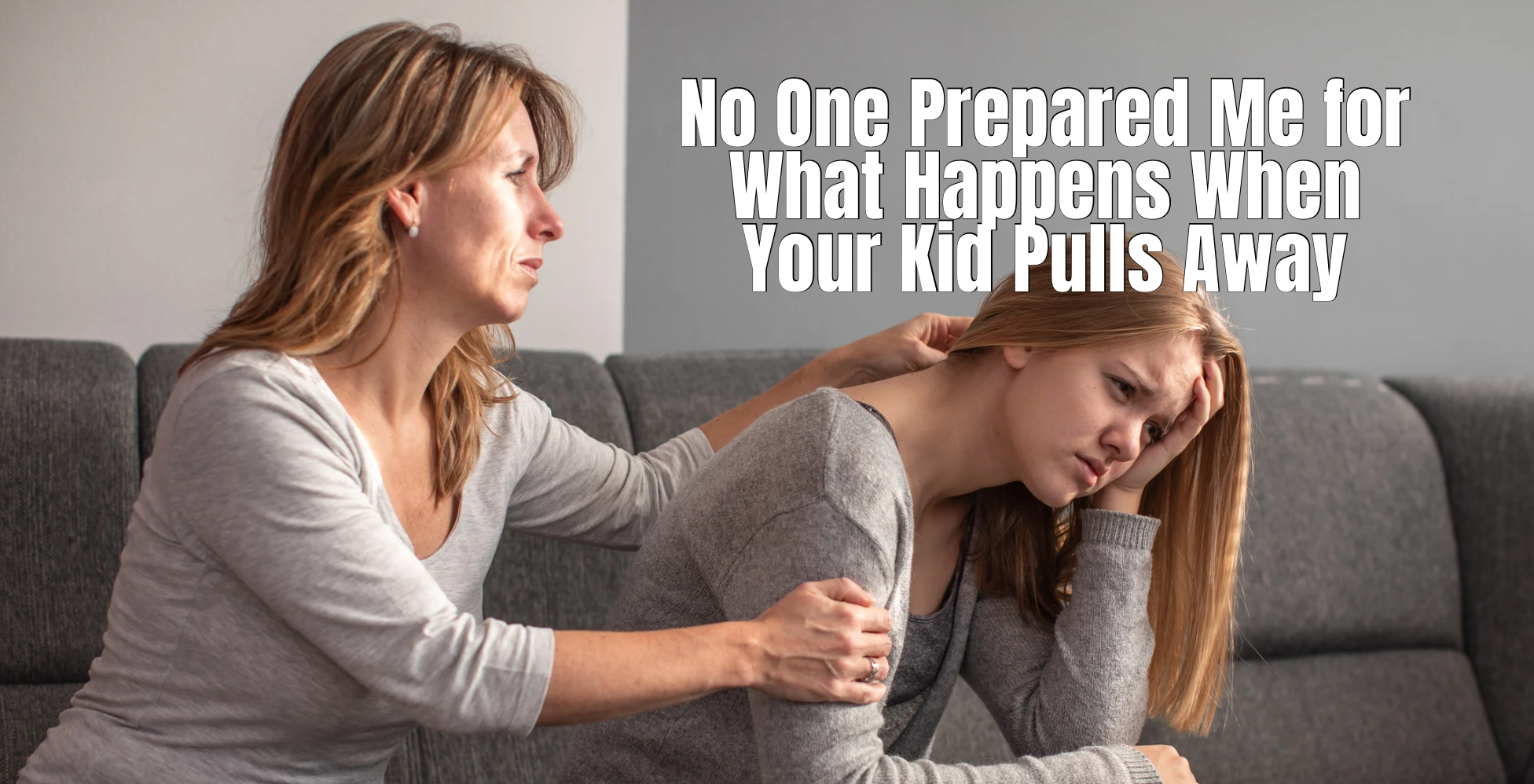
You offer to take them to their favorite restaurant and they’d rather go with their friends. You suggest a movie night and they’ve already made plans. You ask if they want to hang out this weekend and they look at you like you’ve suggested something mildly inconvenient.
And there it is — that little pang. The one you’re slightly embarrassed to admit you feel. Because you know you’re supposed to want them to have good friendships. You know this is healthy. But somewhere underneath the supportive-mom exterior, it stings a little.
You miss them. And it feels weird to miss someone who lives in your house.
First: you’re not alone in this. Not even a little bit. And second: what’s actually happening is far more complicated — and in some ways, far less devastating — than it feels in the moment.
What’s Actually Going On Developmentally
During the tween and teen years, peer relationships take on enormous developmental significance. Your kid’s brain is doing the work of identity formation — figuring out who they are separate from your family, what they value, who they want to be. And that work happens primarily in the context of their peer group.
Friends become a mirror in a way parents can’t be. Their friends are navigating the same confusing social landscape. They speak the same language, share the same references, feel the same pressures. There’s a kind of understanding in peer relationships that no amount of good parenting can fully replicate — and that’s okay. It’s not supposed to.
Your role isn’t to be their best friend. It’s to be their safe harbor. The place they come back to. The relationship that holds steady while everything else shifts.
The Reframe That Changes Everything
“They like their friends more than me. I’m losing them. I don’t matter to them the way I used to.”
“They feel safe enough to have a life outside of me. They’re building exactly the kind of peer relationships they need. And they still come home — to me.”
The measure of your relationship isn’t whether they choose you over their friends on a Saturday afternoon. It’s whether they come to you when something really matters. Whether you’re in their corner at the hard moments. Whether they know — at a bone-deep level — that you’re their person.
That kind of relationship allows them to go out and choose their friends without guilt. Because there’s no competition. You’re not the same category of person in their life. You’re Mom. That’s not lesser — it’s different, and it’s irreplaceable.
When the Hurt Is Worth Paying Attention To
There’s a difference between “my kid is healthy and independent and has good friendships” and “my kid actively avoids being around me and seems happier with literally everyone else.” One is developmental. The other might be worth paying attention to.
Ask yourself honestly: Is your home a place they want to be? Is the atmosphere tense, critical, or unpredictable? Are there conversations that haven’t happened yet, creating quiet distance? Or is this simply a kid with a full, good social life?
Most of the time, it’s the latter. But if your gut is telling you there’s something more going on, that’s worth exploring — not with interrogation, but with gentle, consistent availability and possibly some outside support if the distance feels significant.
🗓️ Weekly Family Connection Planner
Even when their social life is busier than yours, intentional family connection still matters. This planner helps you protect those moments without making it feel forced or mandatory.
Get the Planner →What to Do With This Feeling
Here’s the trap: when we feel pushed out, our instinct is to pull harder. More questions. More manufactured family time. More pressure to connect — which often produces less connection. Here’s what actually works:
- Get interested in their world, including their friends. Know their friends’ names. Ask about them with genuine curiosity. When they feel like you care about what they care about, they want to be around you more.
- Protect low-pressure rituals. Dinner together. A weekly tradition. These aren’t forced family time — they’re infrastructure that keeps you connected even when you’re not really “trying.”
- Stop tracking the scoreboard. The moment you start mentally noting how many times they chose friends over you, you’ve made it a competition. It isn’t one.
- Find your own life. The less your entire emotional state hinges on whether they choose you this weekend, the easier this season is for both of you. Your own interests make you more interesting to your kid anyway.
- Be enthusiastically available when they do show up. When they choose to be home, be present and warm and easy to be around. Make coming home feel like the right call.
The kids who were given freedom to fully invest in their friendships during adolescence came back. They grew up, got some perspective, and realized their relationship with their mom was one of the most valuable ones they had. Letting them go freely now is how you get them back fully later. That’s not resignation — that’s wisdom.
A Note for You, Mama
Go do something you love. Let them miss you a little too. It turns out that’s good for everyone.
This season is temporary. The relationship is forever. And you’re building the forever version right now — even on the Saturdays when they choose their friends.
You Don’t Have to Figure This Out Alone
Join the Mommy With A Goal community — weekly conversation scripts, honest parenting reframes, and a judgment-free space for moms in the tween and teen years.
Subscribe — It’s Free →